Same degree, scarce Canadian seats
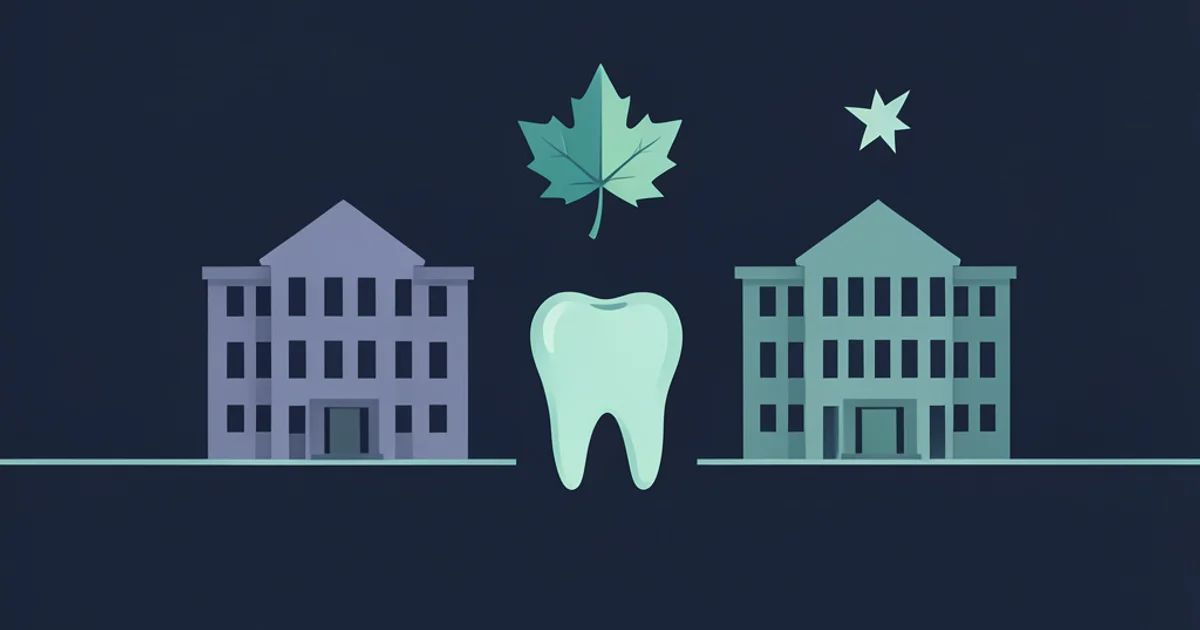
Both Canadian and US dental schools grant the DDS or DMD and produce licensed dentists. The starkest difference is supply: Canada has only about ten dental schools, while the US has more than seventy. With so few Canadian seats — and in-province preferences at several schools — admission north of the border is intensely competitive.
Two different DATs
The Dental Admission Test is not identical across the border. The Canadian DAT has historically included a manual dexterity carving component and differs structurally from the US DAT, which has its own perceptual ability section. Applicants aiming at both systems should confirm each exam's current format and budget time to prepare for — and possibly sit — both.
See where your DAT and GPA make you competitive.
AdmitBase compares your numbers against admitted-student data at Canadian and US dental schools.
Get Started Free →Cost and in-province preference
In-province tuition at Canadian public schools such as the University of Toronto Faculty of Dentistry, UBC, and McGill is often lower than at comparable US private programs like Harvard School of Dental Medicine or the University of Michigan School of Dentistry. Several Canadian schools also favor in-province applicants, so your residency can move your odds substantially.
Practice where you train
Cross-border licensing requires meeting the destination country's accreditation and exam requirements, which adds friction. Unless you have a specific reason to cross over, attend dental school in the country where you plan to practice.