A Small Profession With a Complete Map
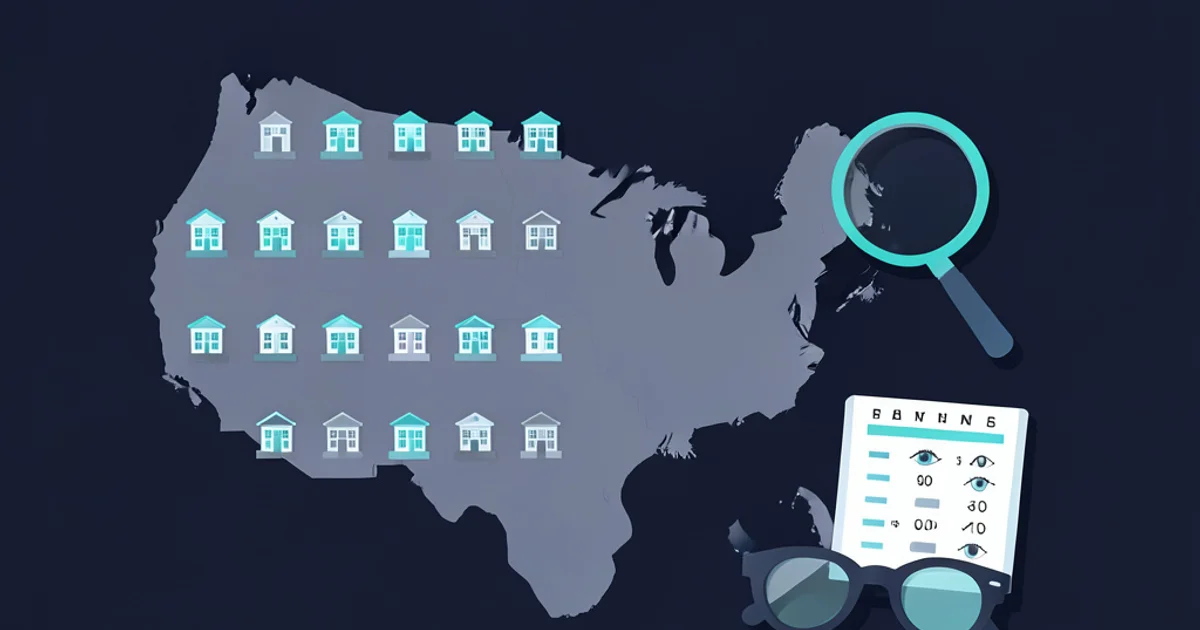
Optometry is compact enough to see whole: about two dozen accredited OD programs nationwide. That small footprint changes the admissions game — applicant pools are modest, multiple acceptances are common for prepared candidates, and the real decision is usually cost and location rather than getting in somewhere.
The Top Tier
| School | OAT median | GPA median | In-state tuition |
|---|---|---|---|
| UC Berkeley | 360 | 3.76 | $37,040 |
| Houston | 337 | 3.61 | $26,075 |
| Ohio State | 358 | 3.86 | $28,864 |
| Indiana | — | 3.78 | $33,678 |
| UAB | 329 | 3.71 | $30,736 |
| SUNY | 350 | 3.67 | $30,710 |
The pattern is unusual among health professions: the entire top tier is public, in-state tuition tops out around $37,000, and Ohio State's 3.86 GPA median is the highest number on the whole list. Houston is the value standout — a #2 ranking at $26,000 in-state.
The Full List, By Region
West: UC Berkeley, SCCO at Marshall B. Ketchum, Western University (Pomona), Pacific University (Oregon), Midwestern Arizona, Rocky Mountain (Utah). Midwest: Ohio State, Indiana, Illinois College of Optometry, Midwestern Chicago, Ferris State (Michigan), UMSL (Missouri). South: Houston, UAB, UIW Rosenberg (San Antonio), Southern College of Optometry (Memphis), NSU Oklahoma, Pikeville (Kentucky), Nova Southeastern (Florida). Northeast: SUNY, New England College of Optometry, MCPHS (Worcester), Salus/Drexel (Pennsylvania). Plus: Inter American (Puerto Rico). Browse each with full data on the optometry school rankings page.
Cost Spread Is the Real Differentiator
In-state tuition runs from $18,500 (NSU Oklahoma) and $19,900 (Ferris State) to $48,000–$51,200 at the private schools (ICO, NECO, SCCO, Pacific). Over four years, that gap exceeds $120,000 — decisive in a profession where the debt-to-income ratio needs active managing (see optometry school debt and salary). Flat-tuition privates make sense mainly when you lack a cheap in-state option or want a specific location.
See which optometry schools fit your numbers.
AdmitBase compares your OAT and GPA against admitted-class data at every US optometry school and sorts them into Safety, Target, and Reach.
Get Started Free →How to Choose Among Two Dozen
With admissions less of a lottery than in medicine or dentistry, optimize deliberately: your in-state public school first for cost, then the top tier if your OAT clears 340, then location and clinical-site quality. OAT medians span 280–360 across the list, so almost every serious applicant has genuine targets — check what is a good OAT score for where you land, and how to build an optometry school list for the strategy.